How to Choose the Perfect Bathroom Tile: A Designer's Guide to Beauty, Function, and Longevity
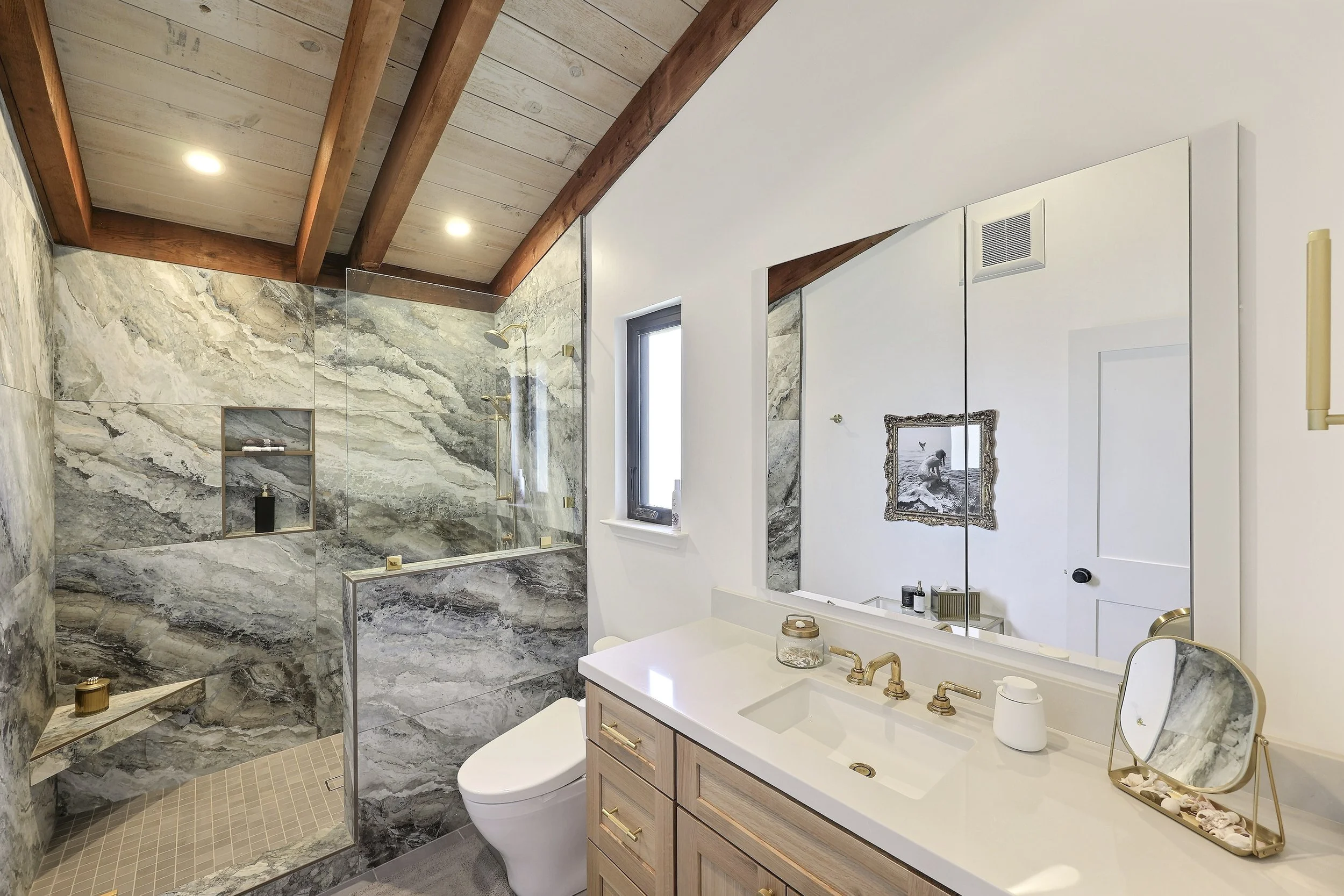
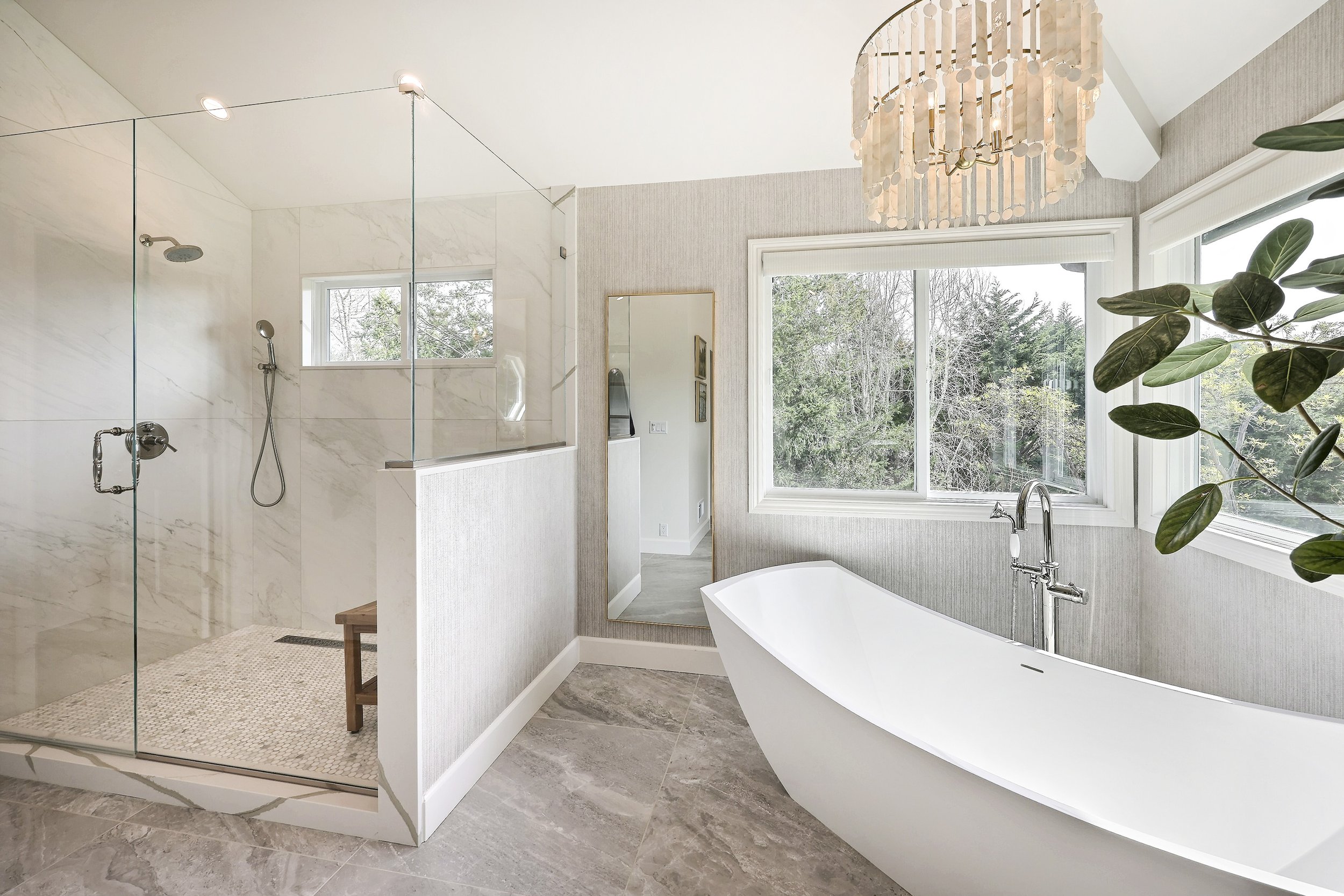
This Ocean View Retreat bathroom shower features a 24”x48” porcelain tile with a 12”x24” porcelain bath floor tile and a smaller 2”x2” porcelain tile for the shower floor - the 2”x2” mosaic on the shower floor creates additional traction and better slip resistance!
When designing a bathroom, few decisions have a bigger impact than tile selection. Tile sets the tone for the entire space, influences maintenance requirements, affects resale value, and contributes to how the room feels every day.
With countless colors, materials, patterns, and finishes available, it's easy to become overwhelmed. Many homeowners begin with a tile they love on Pinterest, only to discover later that it may not fit their lifestyle, cleaning preferences, or long-term design goals. As an interior designer, I help clients look beyond what is trendy and focus on what will work best for their home, family, and daily routine.
You might be surprised to hear that when you're renovating your bathroom, there's 140+ decisions to make during the remodel process… and tile is likely in more places than one. (Think about shower tile, floor tile, backsplash tile, and any accent tile.)
In this blog I’m going to be sharing some behind-the-design tips, inspiration from some of my favorite bathroom tile details from my own projects, plus some of the coolest (and newest!) tile I saw during the2026 KBIS show.
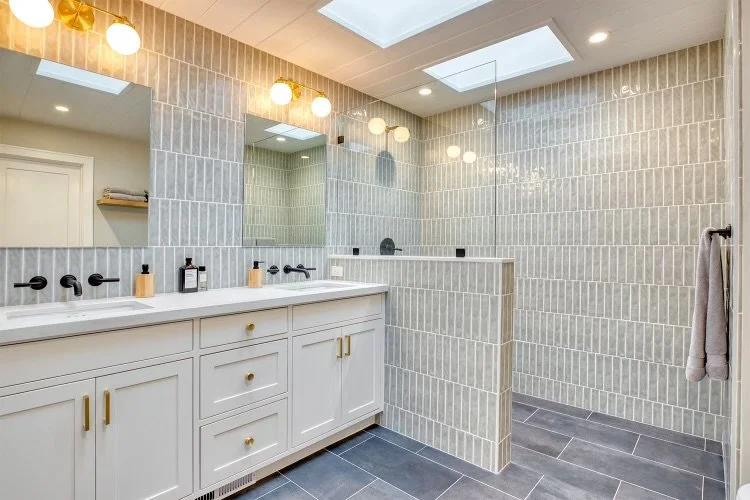
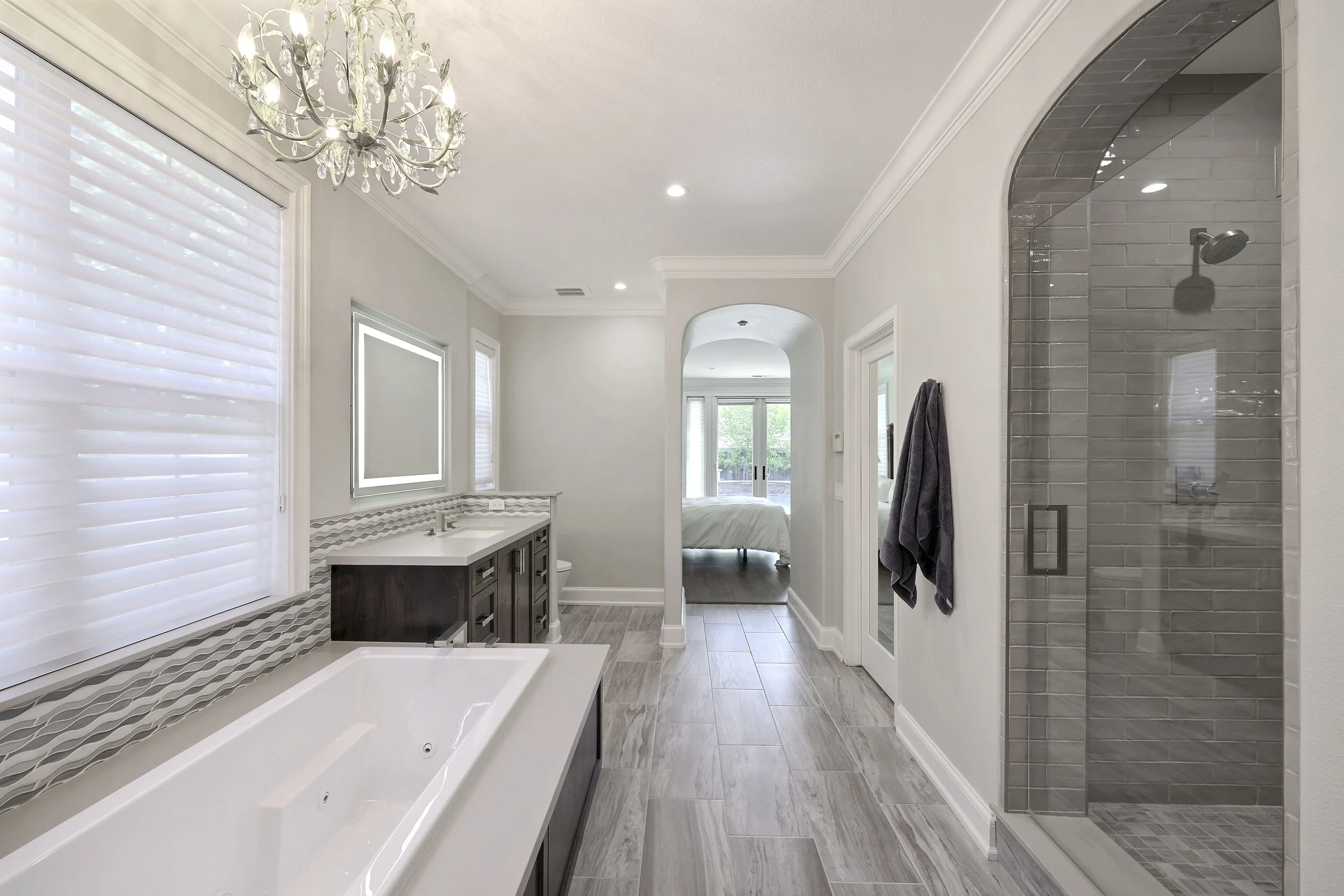
This bath features a large format (12”x24”) porcelain floor tile in a stagger layout and a glazed ceramic tile in an alternating stagger pattern.
Start with your lifestyle —before considering tile colors or patterns, think about how the bathroom will be used.
A busy family bathroom has different needs than a primary suite designed as a private retreat. No matter what kind of space you’re designing, homes with young children, pets, or multiple family members often benefit from durable, low-maintenance materials that can withstand daily wear and tear.
Ask yourself:
How much maintenance am I willing to do?
Will this bathroom experience heavy daily use?
Do I prefer a polished, luxurious look or a more casual, lived-in feel?
Am I planning to stay in this home long-term?
Your answers can help your interior designer narrow down the best tile options before aesthetics even enter the conversation.
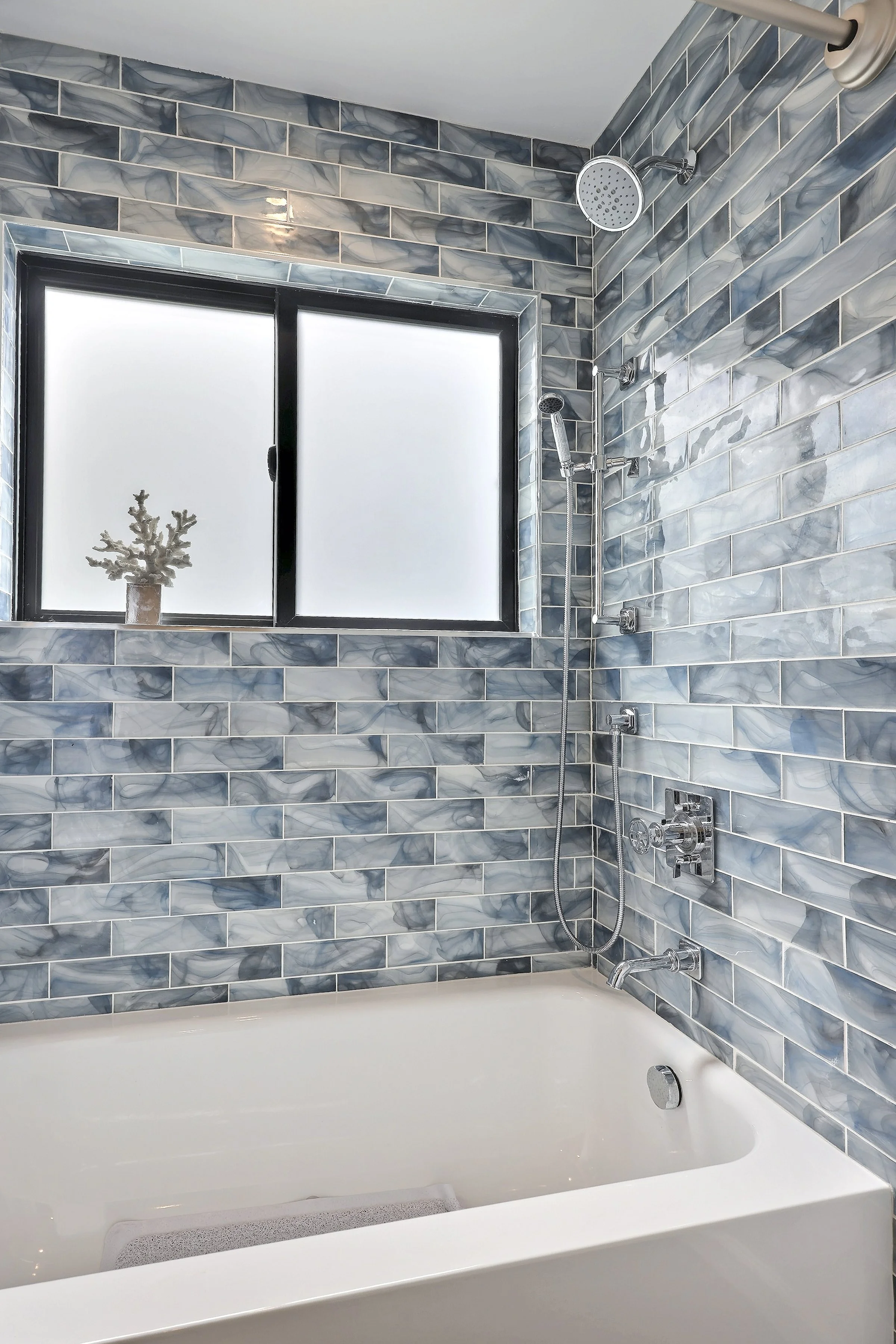
Even tiles with a lot of variation and visual movement can be soothing!
Consider materials and maintenance before falling in love with a tile design
One of the most common mistakes homeowners make is choosing tile based solely on appearance. While many materials are beautiful, some require significantly more upkeep than others.
Porcelain Tile - Porcelain is one of the most popular choices for bathrooms and for good reason. It is:
Highly durable
Water resistant
Scratch resistant
Easy to clean
Available in countless styles and colors
Porcelain can actually mimic the look of natural stone, marble, concrete, or wood while offering less maintenance than many of the materials it replicates.
Ceramic Tile - Ceramic tile is another practical option that is generally affordable and easy to maintain. It is better suited for walls and decorative applications and while it can be installed or rated for floors, it is often not as durable as porcelain.
Natural Stone - Marble, limestone, travertine, and other natural stones offer timeless beauty and unique character. However, they often require regular (annual) sealing and spills should be wiped up immediately because there’s greater risks for staining as natural stone is porous.
For homeowners who appreciate natural variation and are comfortable with regular maintenance and patina with time, stone can create a truly luxurious space. For homeowners seeking more simplicity, porcelain alternatives will provide a similar aesthetic with less upkeep.
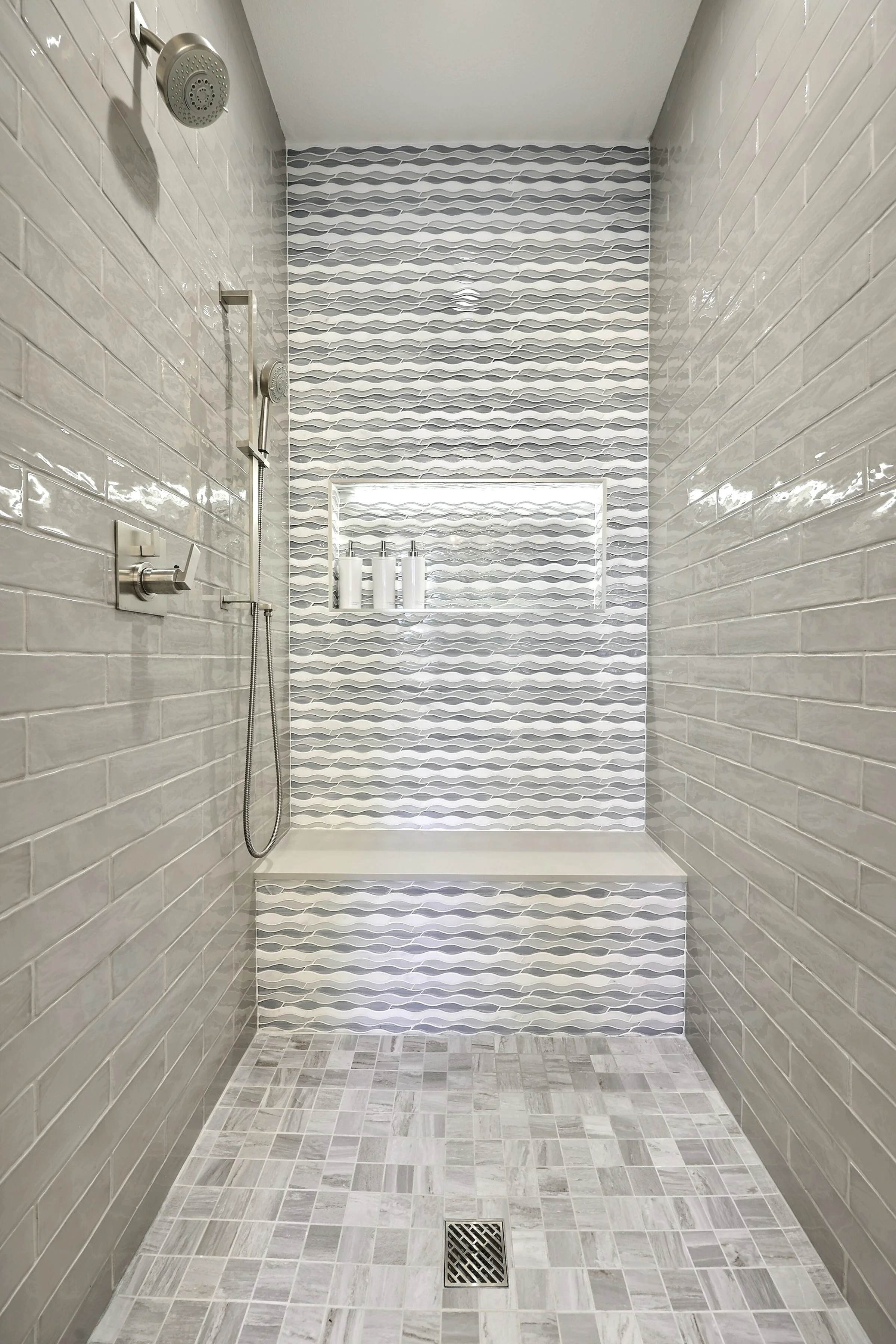
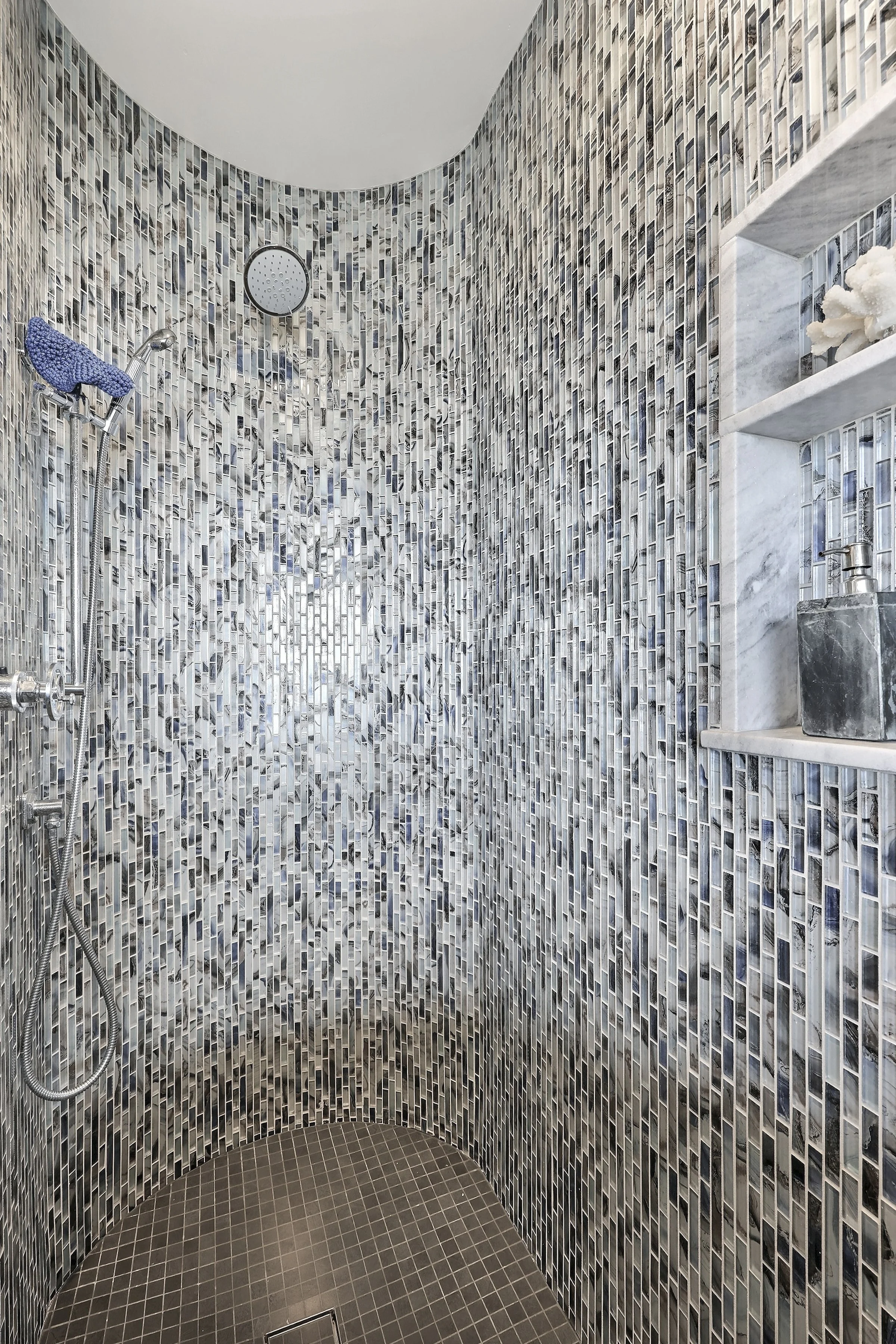

Don’t forget the grout!
Picking tile is exciting, but we also need to select the grout!
My tried and true advice with grout selection is if you want the grout to visually disappear, then we try to coordinate it with the tile as closely as possible - if we’re trying to draw attention to the tile layout (installation patterns like herringbone or parquet), then we often will select a grout that contrasts (either lighter or darker) the tile to draw attention to the installation pattern.
Lighter grout tends to show staining more easily, especially in high-traffic areas and shower floors - but we can (and I always do!) select Prism grout, which is stain and mildew resistant.
Most of the time, we want the grout to blend into the background of the tile. A grout color that closely matches the tile can:
Create a seamless appearance
Minimize visual clutter
Help conceal minor discoloration over time
Additionally, larger-format tiles (12”x24” or larger) often require fewer grout lines, making cleaning easier and creating a more streamlined look. (But don’t let the idea of grout lines stop you! So many of my bathroom renovation projects have a variety of sizes and grout colors to achieve our aesthetic goals!)
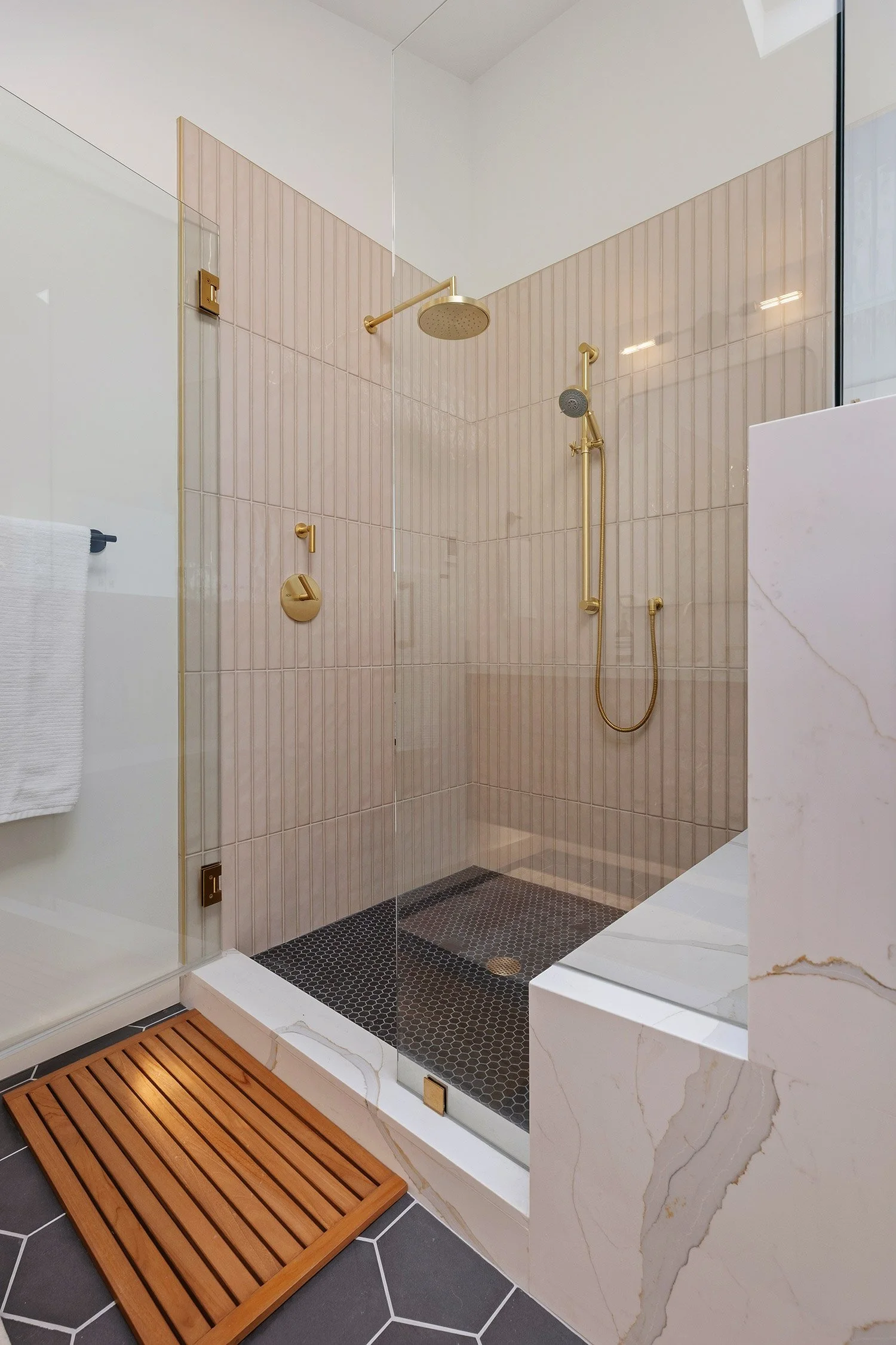
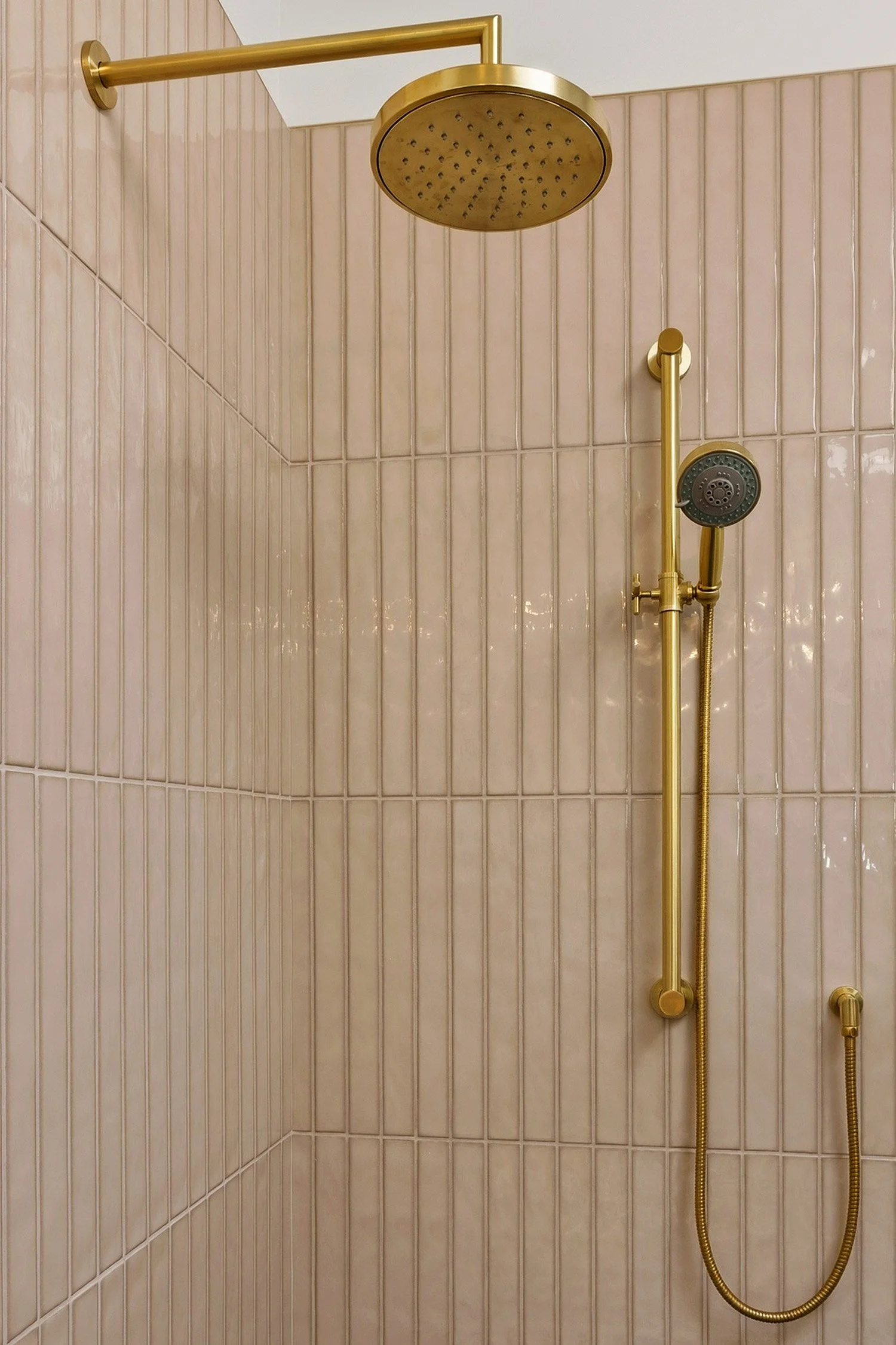
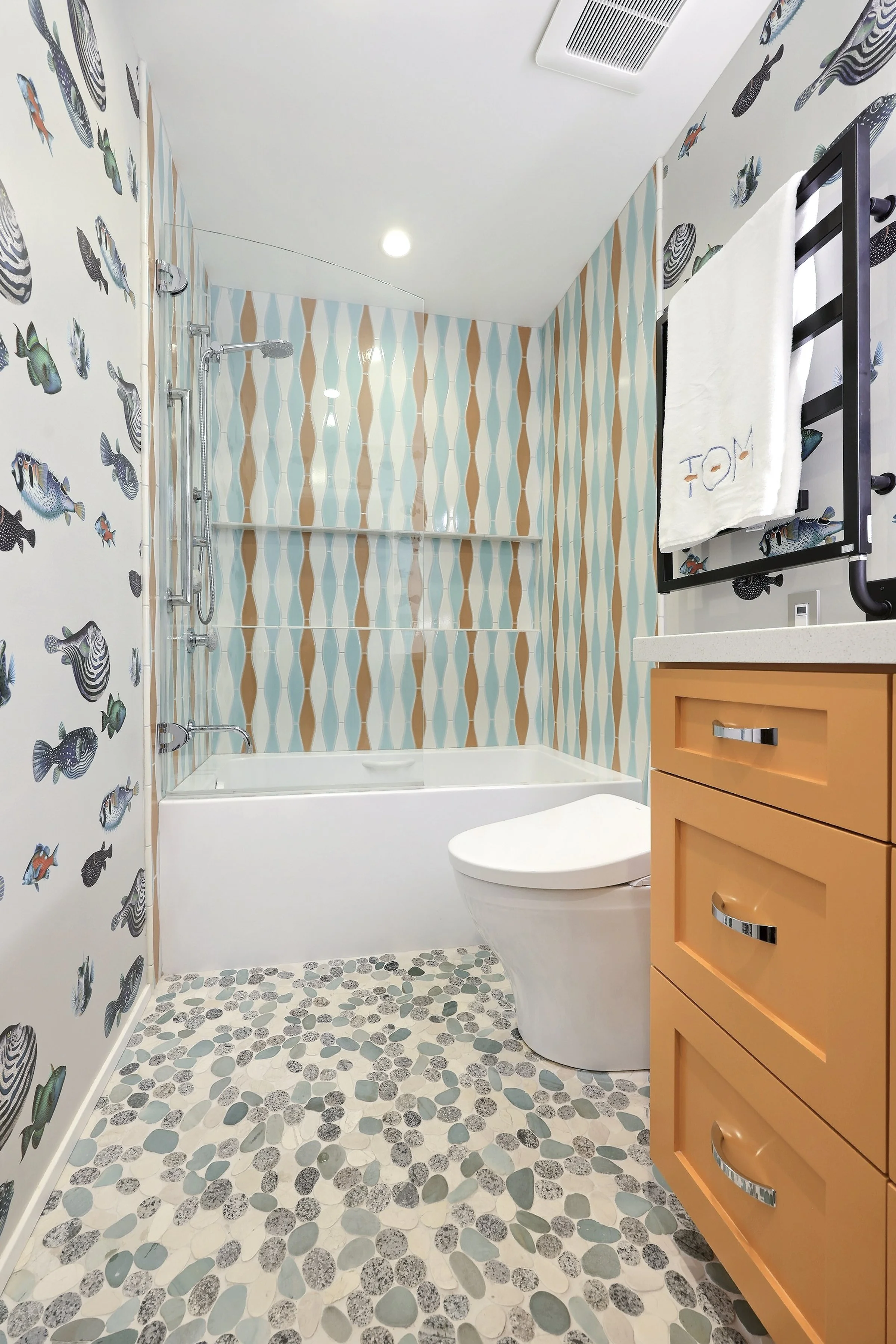
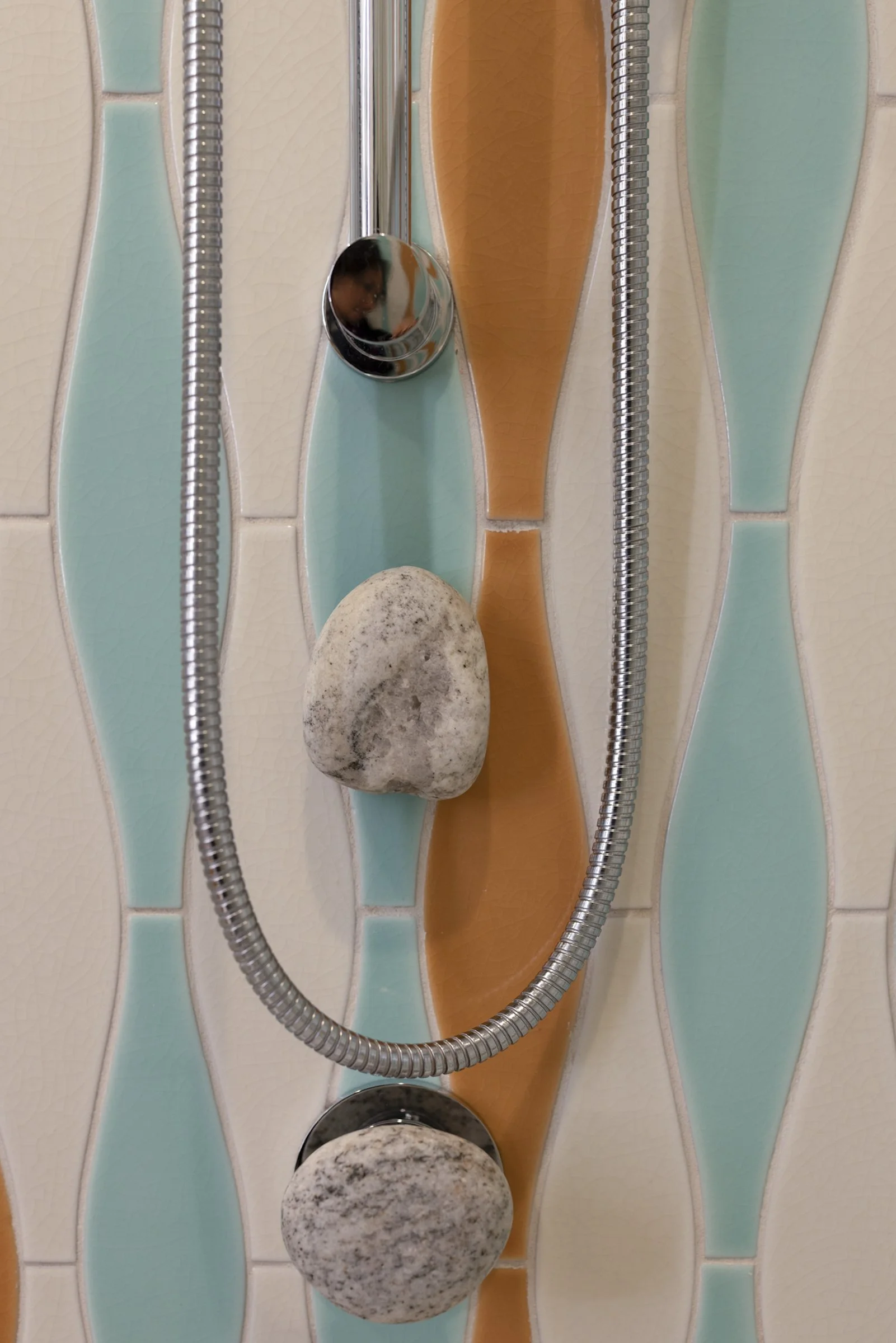
Maximize tile color play and bring out your personality
Color has a powerful influence on how a bathroom feels. A cohesive color palette creates visual harmony throughout the space and helps prevent the bathroom from feeling disconnected from the rest of the home.
Light Colors - Soft whites, creams, warm beiges, and pale grays can make a bathroom feel larger, brighter, airier, and more timeless. These shades are especially effective in smaller bathrooms or spaces with limited natural light.
Dark Colors - Deeper hues such as charcoal, navy, forest green, or black create drama and sophistication. Used thoughtfully, darker tiles can add depth and create a spa-like atmosphere. They often work beautifully as accents, shower walls, or statement floors.
Warm vs. Cool Tones - One of the most important design considerations is choosing undertones that work together. Warm whites, taupes, and earthy tones create an inviting, comfortable feel. Cool grays and crisp whites tend to feel more modern and contemporary.
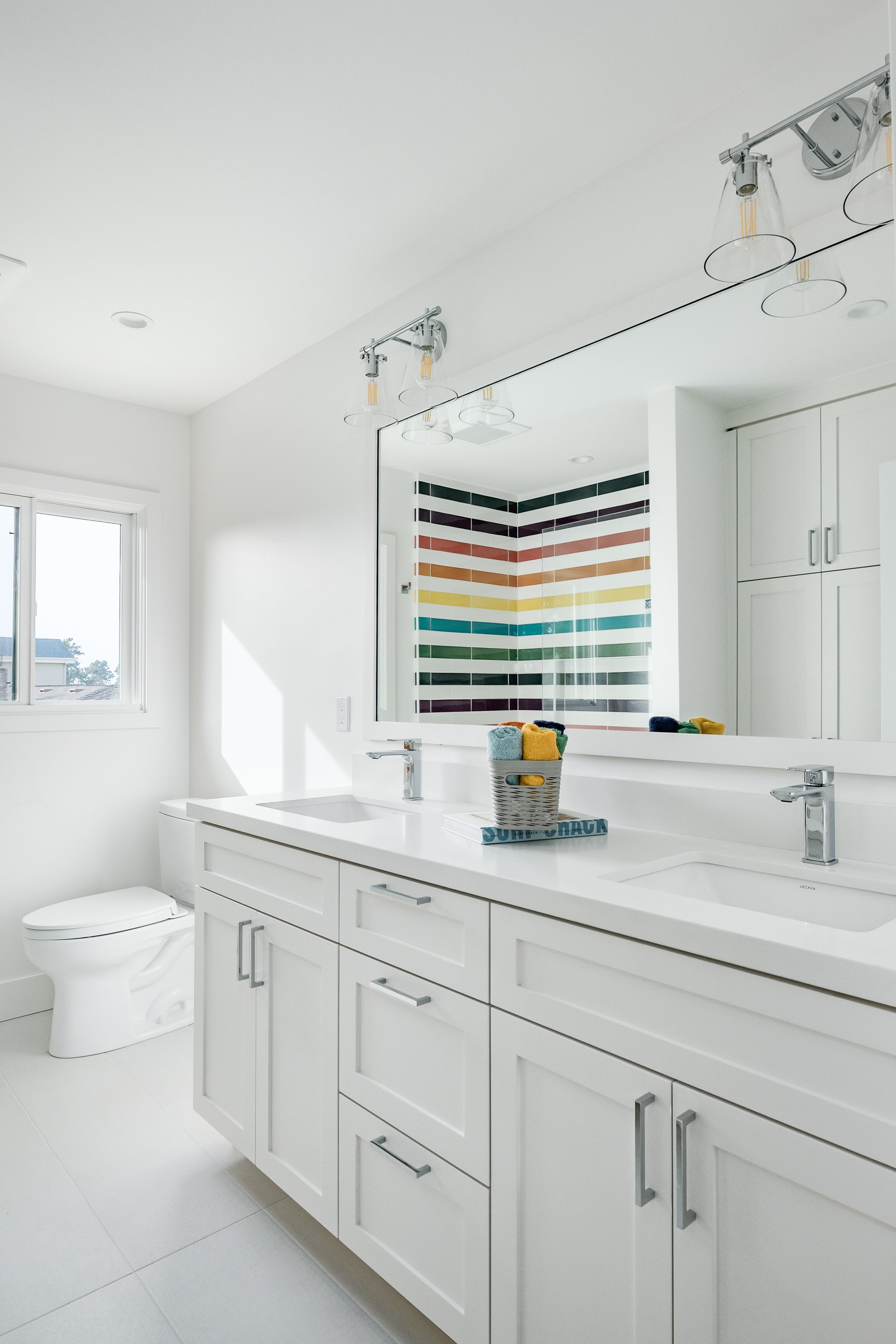
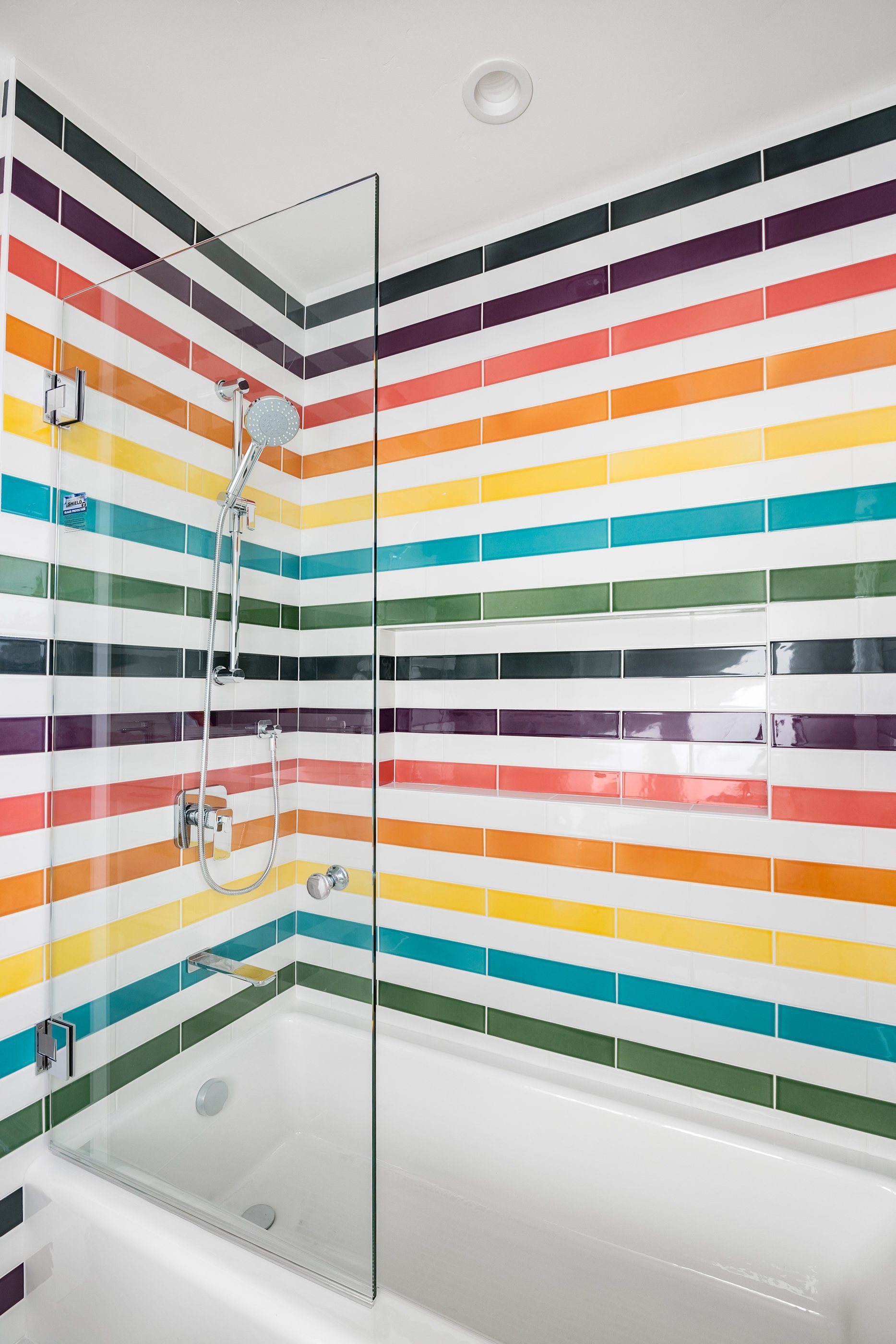
Consider tile size and scale for your space
Tile size can dramatically influence the overall appearance of a bathroom.
Large-format tiles do continue to grow in popularity because they:
Create a clean, modern aesthetic
Reduce grout lines
Make spaces feel larger
Simplify maintenance
Smaller tiles however, such as mosaics, can introduce texture, pattern, and visual interest which is something that we noticed was really on display this year at the KBIS Spring 2026 show!
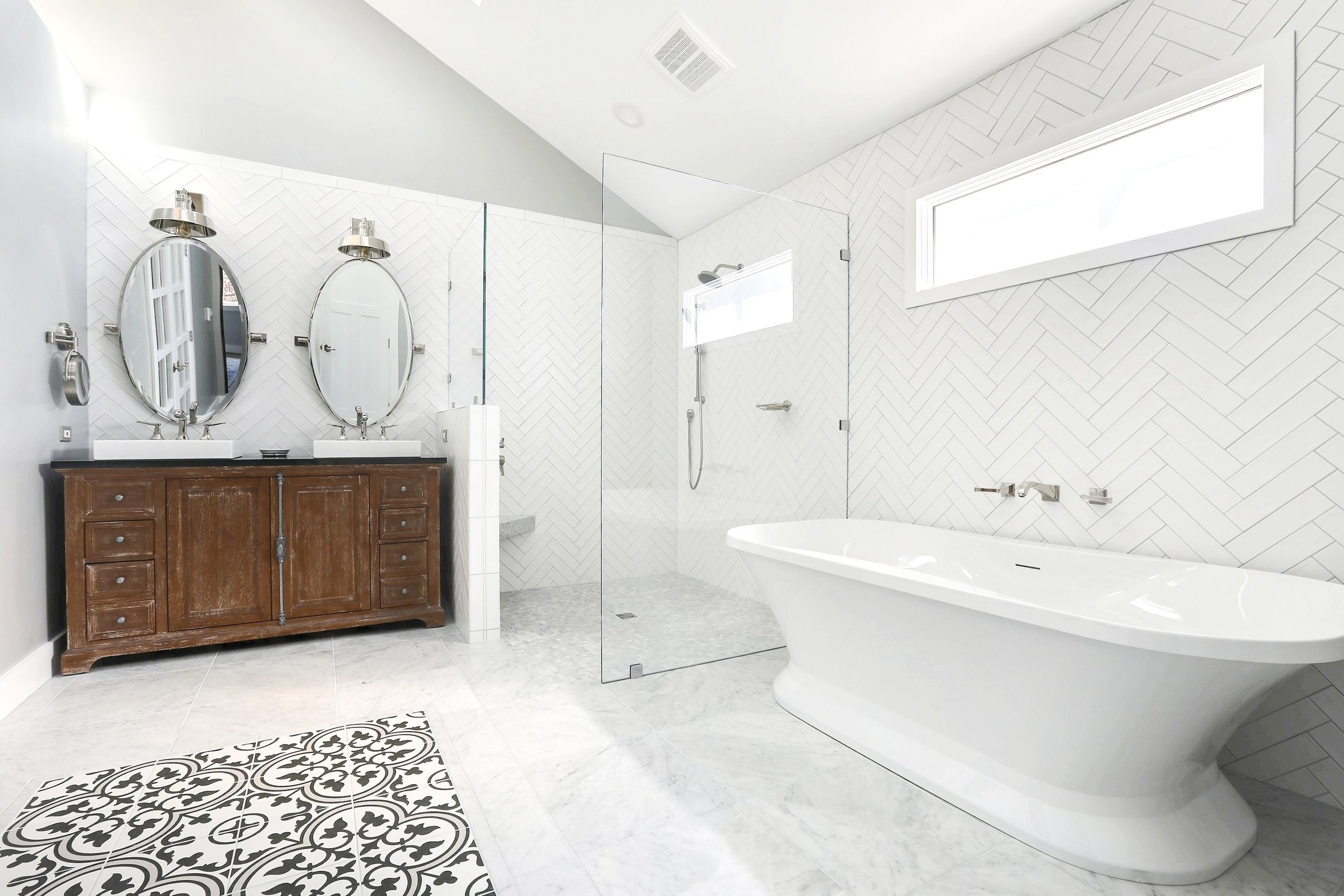
Many successful bathroom designs incorporate both. For example, large-format tiles may be used on walls and floors while smaller mosaic tiles provide accent details in a shower niche or feature wall. Another popular choice is to play with multiple tile styles and sizes throughout the bath, like the bathroom pictured below. Take a look and you’ll see large square floor tiles with a patterned tile inlay, a chevron style full-height backsplash behind the vanity that carried through the walk-in shower, and a square mosaic tile for the shower floor; all the sizes work together and give the space something totally unique.
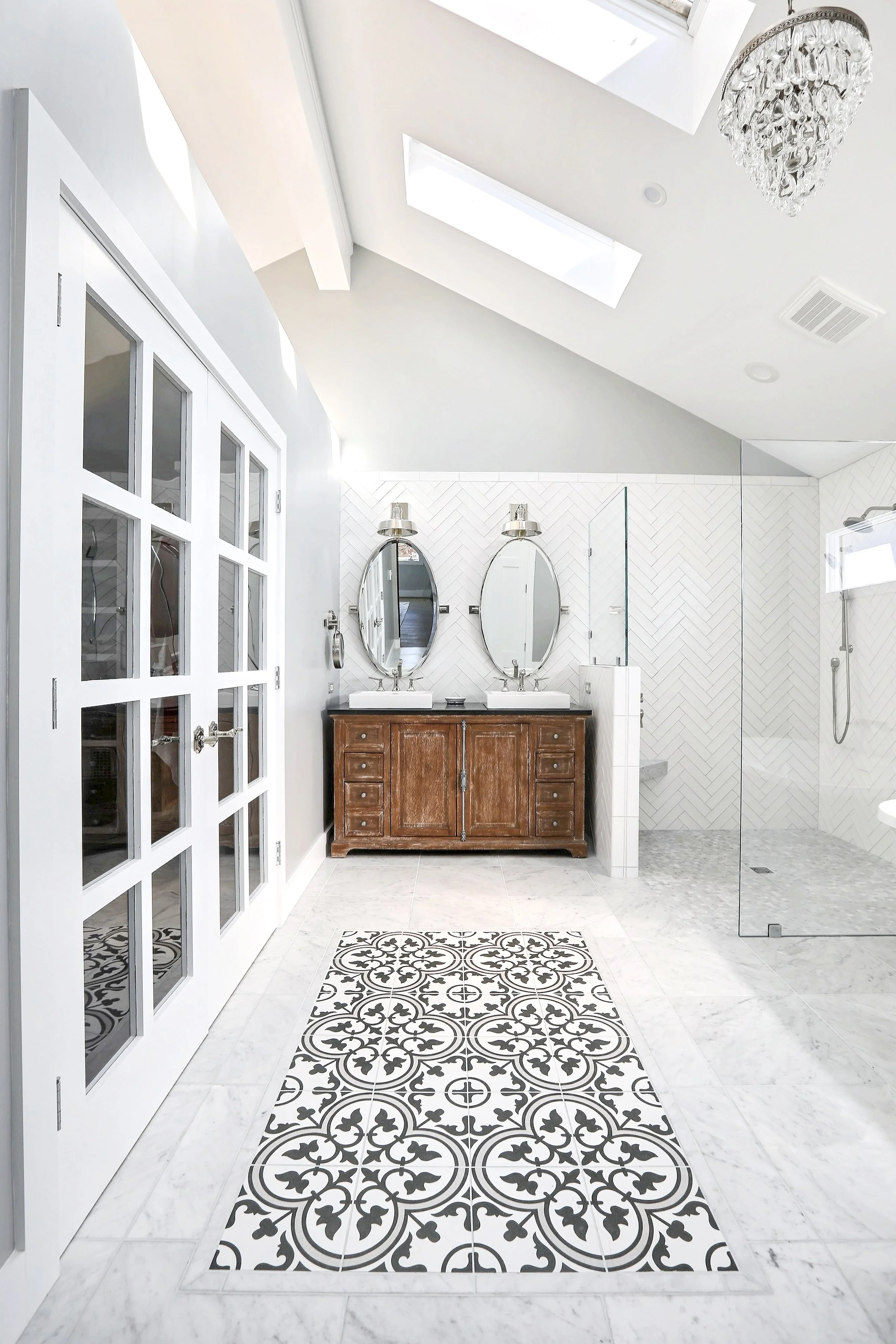
I love the tile inlay in this bathroom floor - we stuck with a black, white, and grey concept and mixed tile sizes and patterns!
As you can see there’s countless decisions that go into planning a bathroom renovation project, so my biggest tip is to stay organized and keep a record of your selection details. If you don’t have one already, you can grab my bathroom planner here.(I actually use this planner with all my own clients, it’s got every key decision included!!)
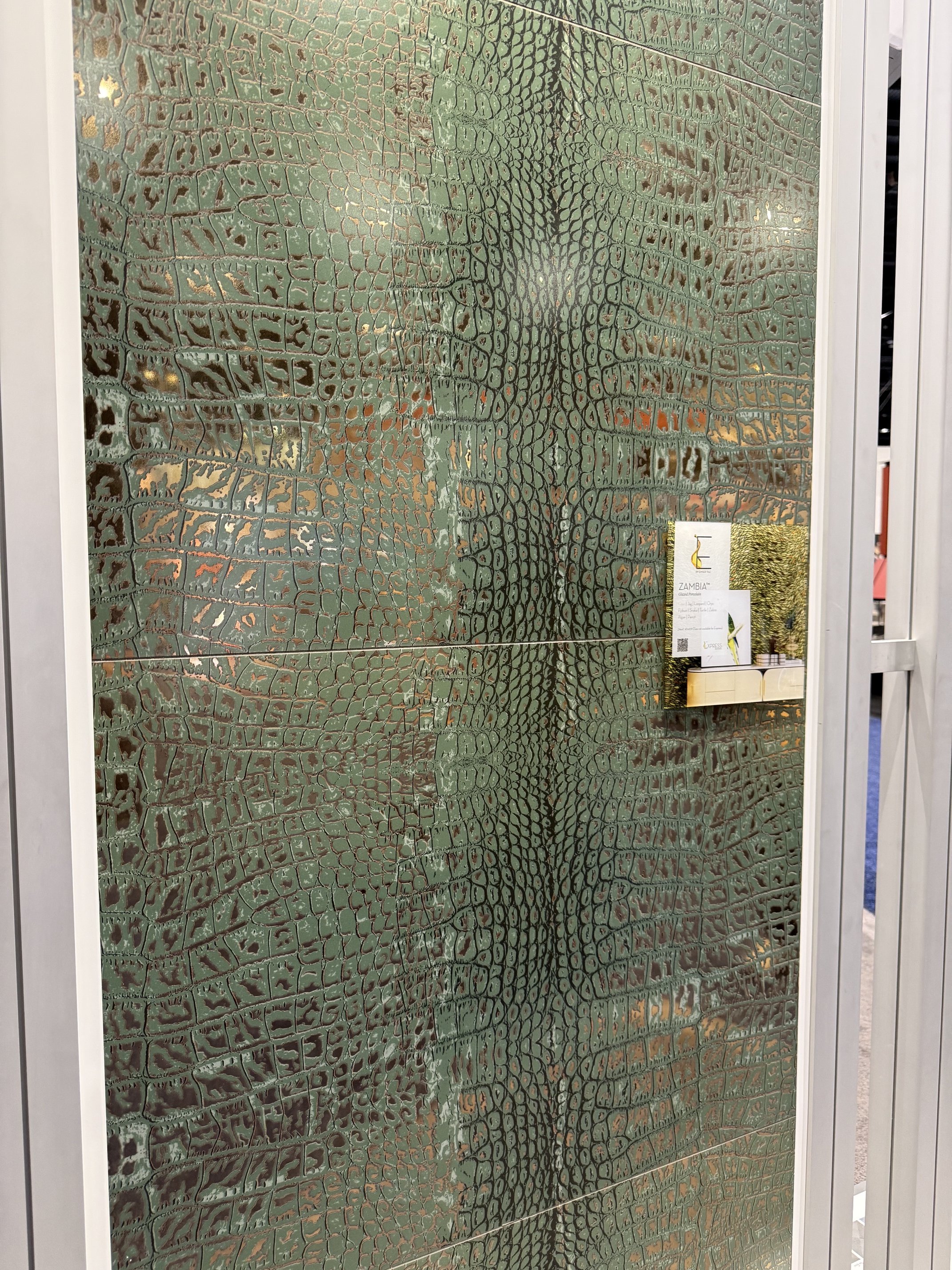
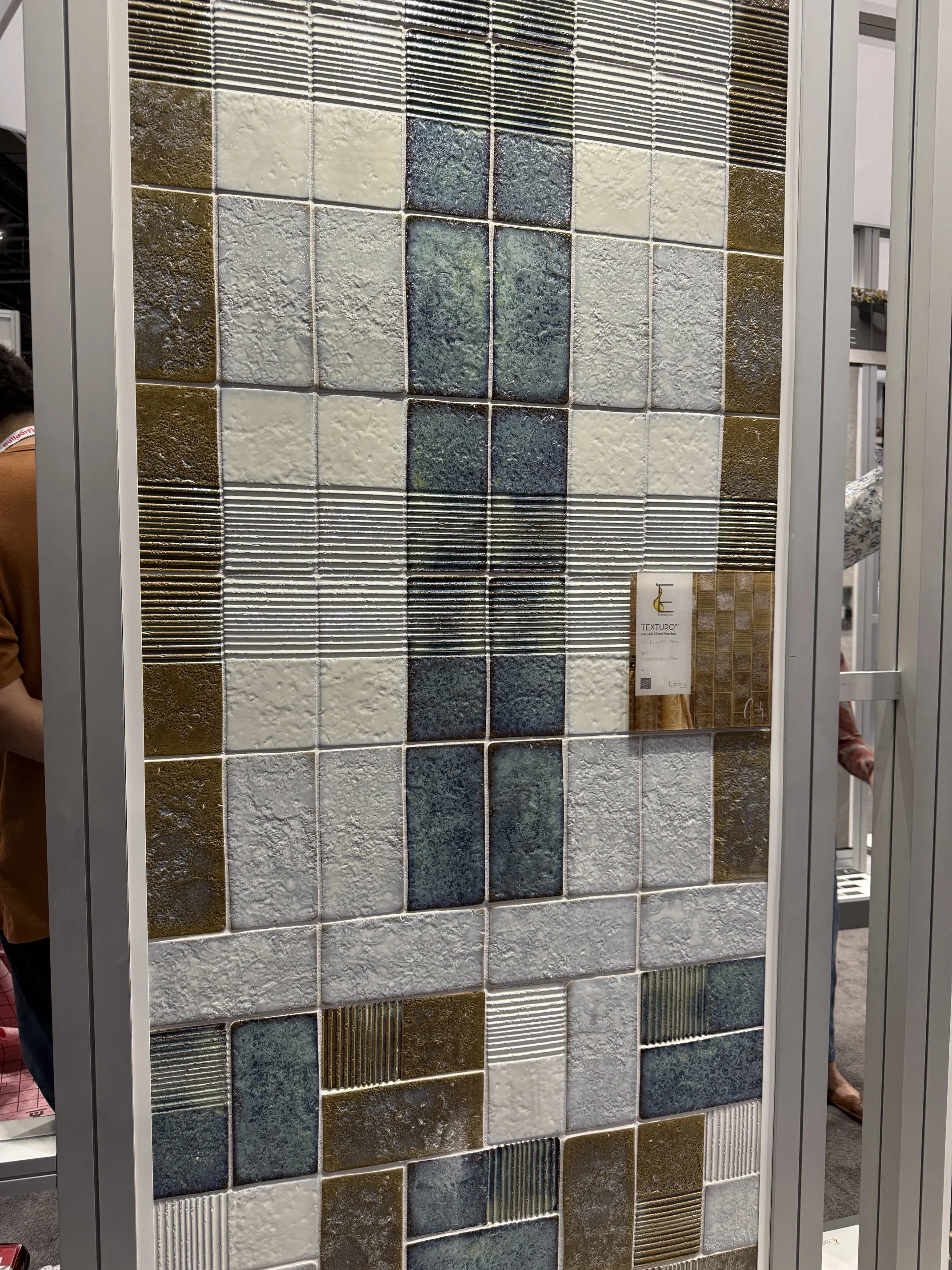
Now, if all this wasn’t enough to inspire you, every year at the Kitchen and Bath Industry Show (KBIS) vendors show off all their most popular and newest tile designs, colors, textures, and styles —it’s truly a designers dream. While I was there this year the tile below were featured in some of the booths and getting to see and feel it in person on massive slabs was such a treat. It’s not just color that filled the show - but texture! From zellige inspired glazed ceramics to textured patterns, fluted and geometrically dimensional tile - it was clear that texture is taking over!
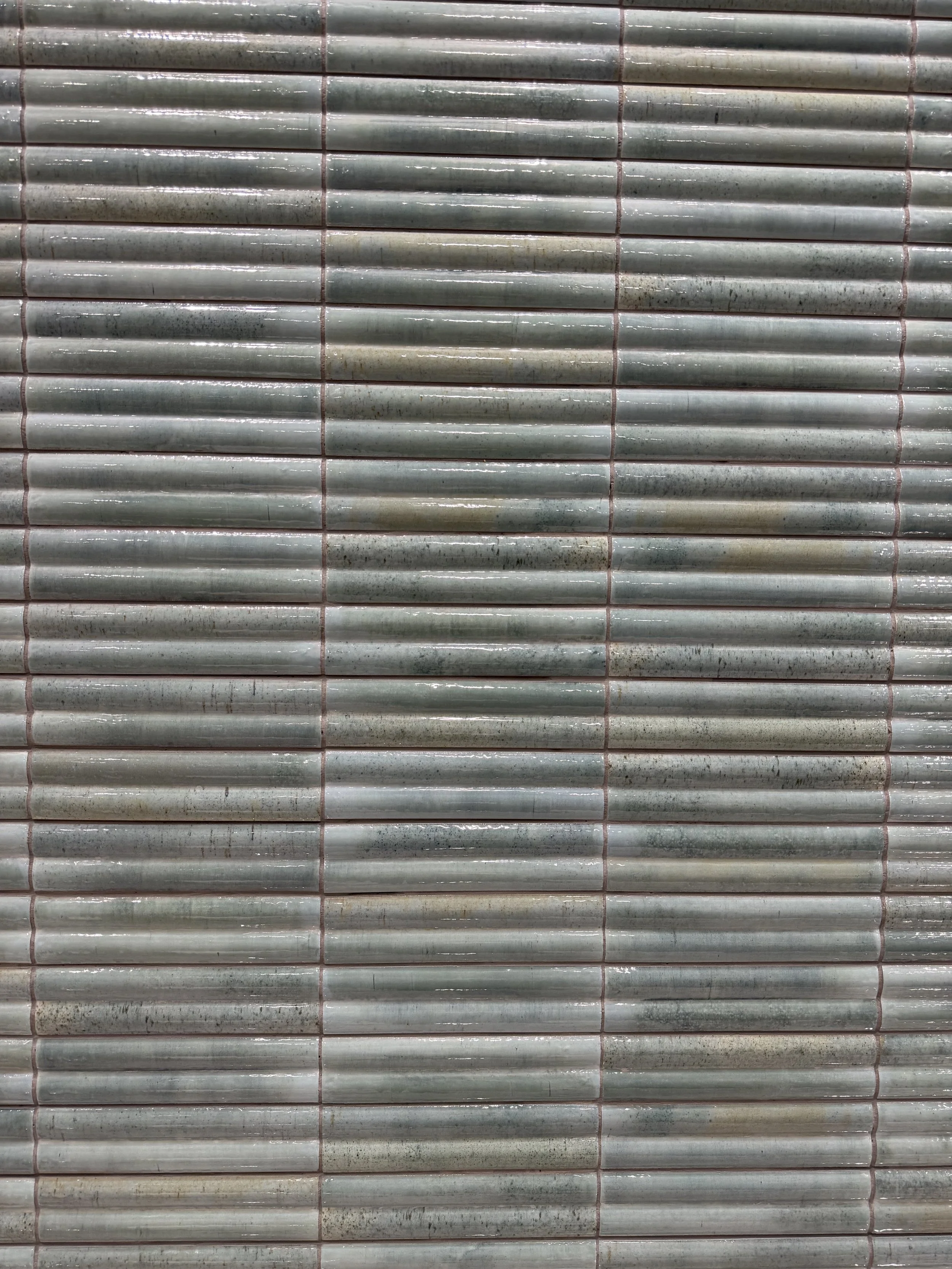
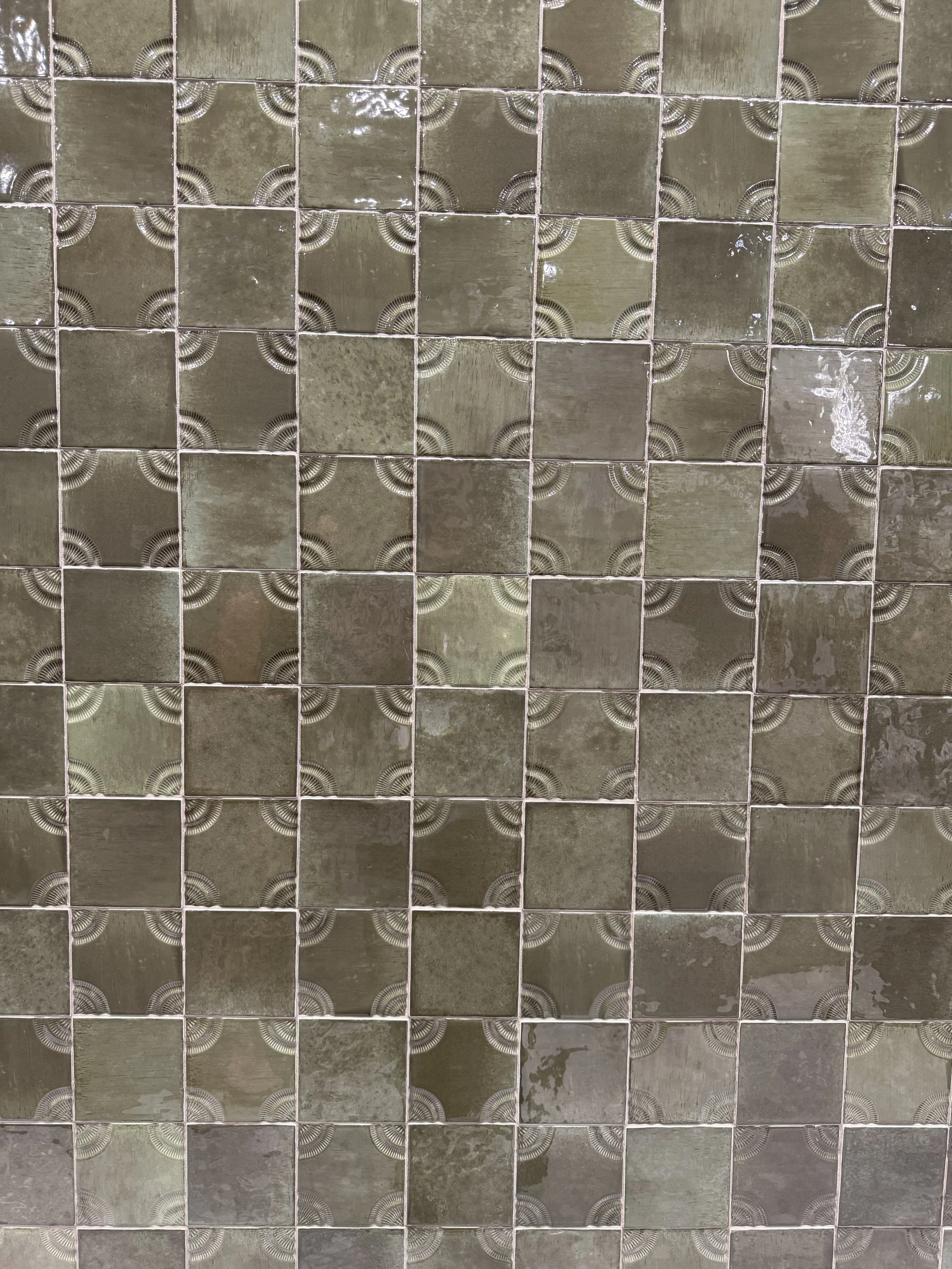
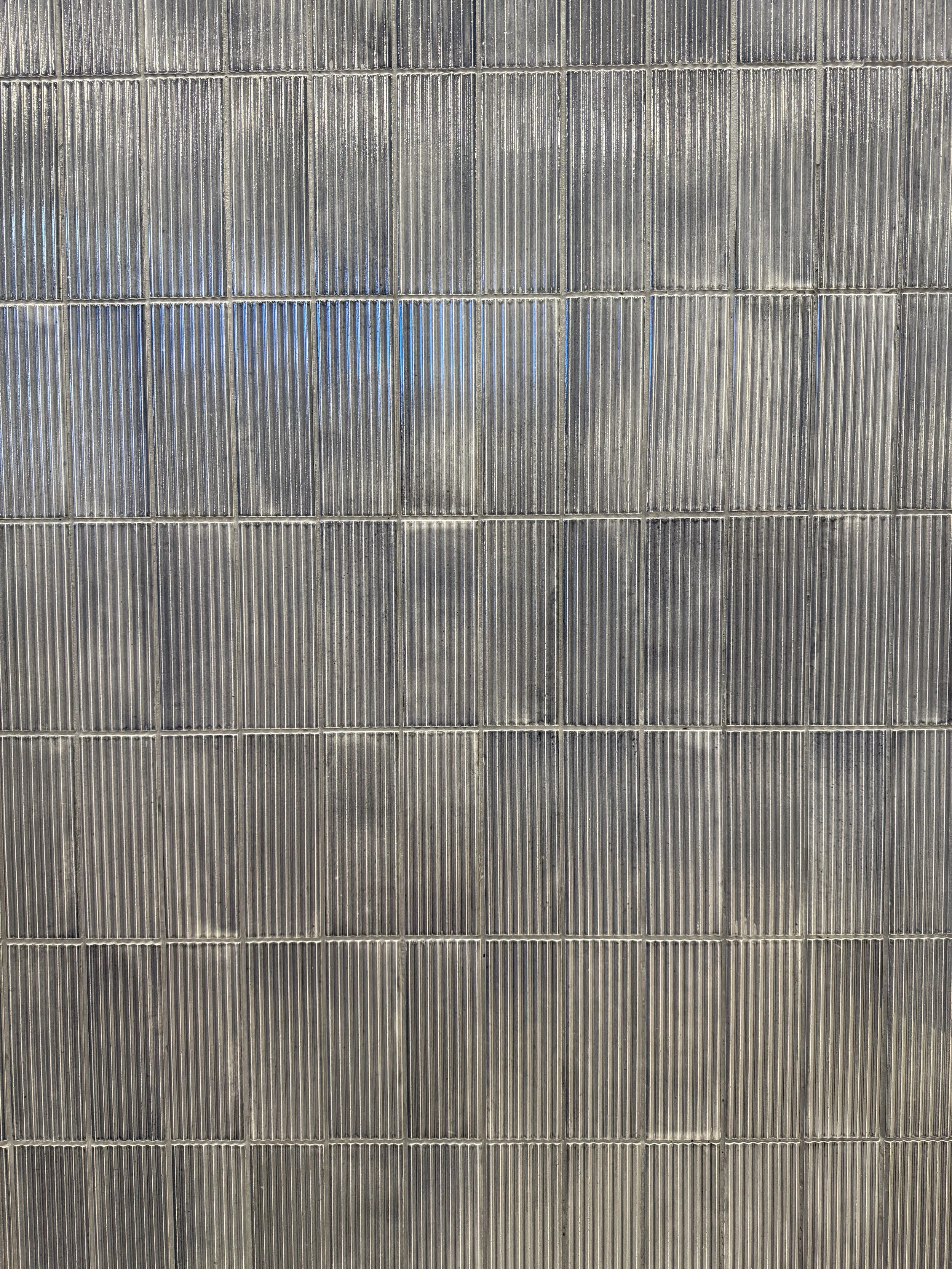
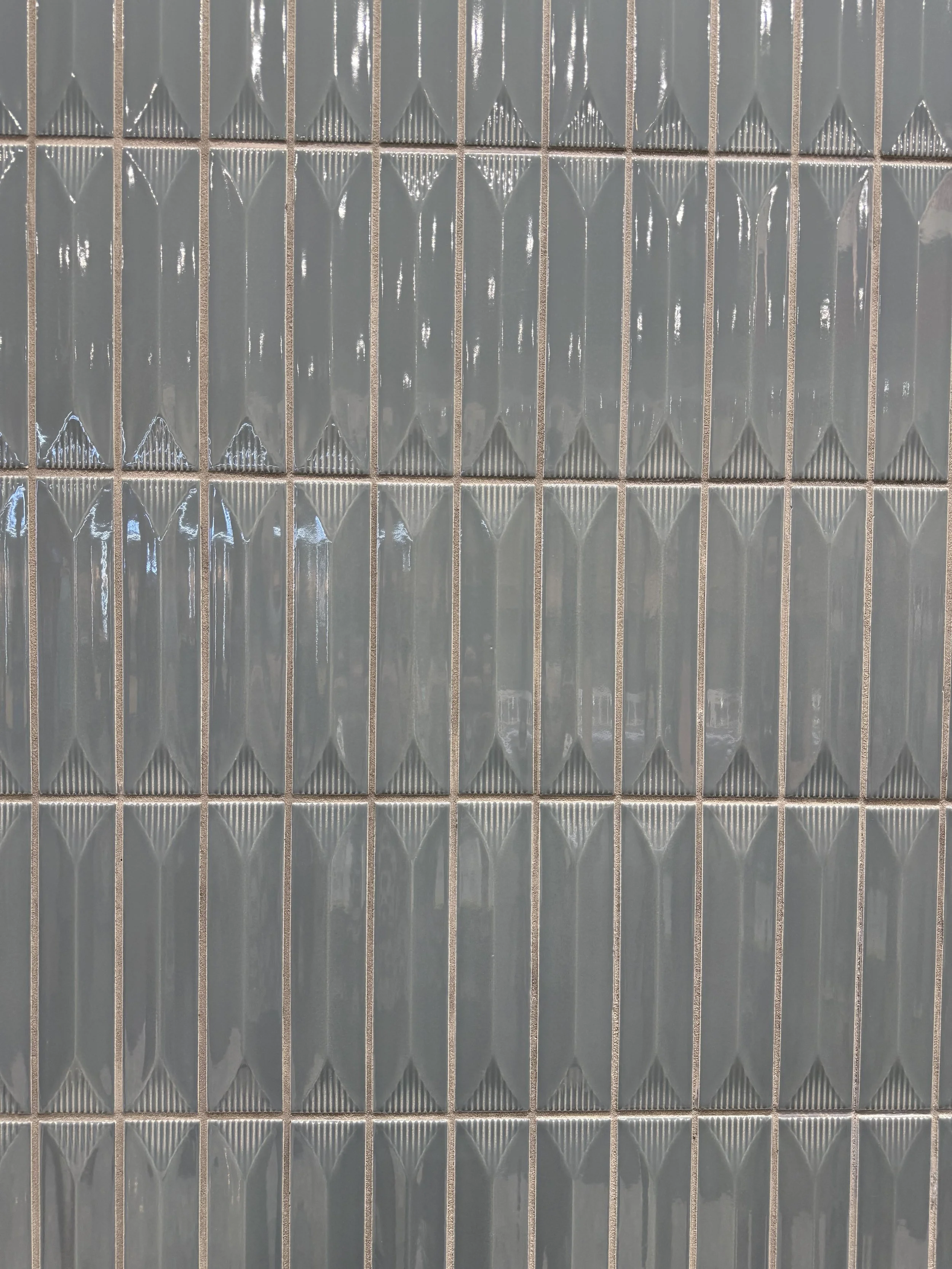
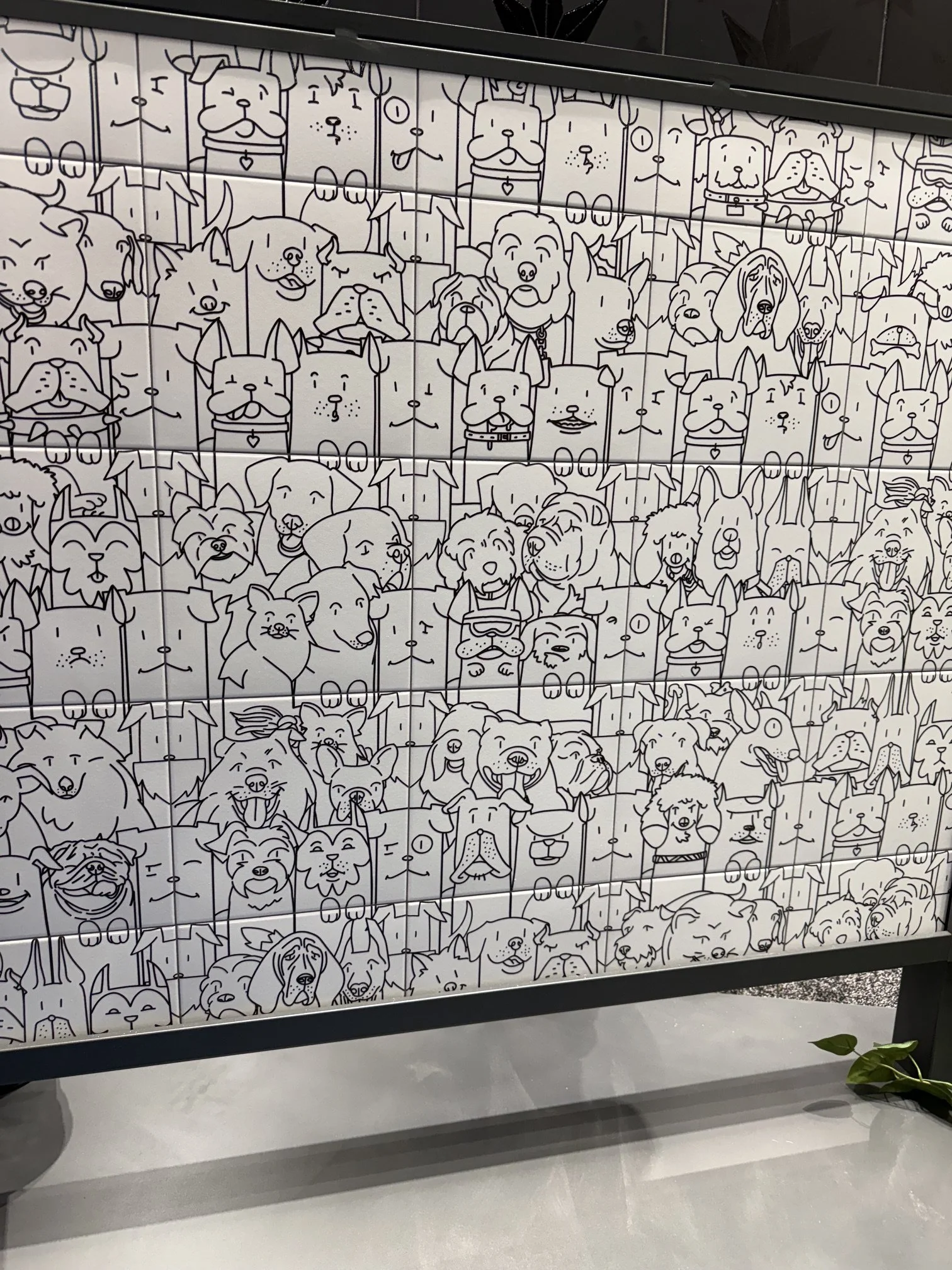
How cute and fun is this puppy tile? I’d love to install this in a dog wash station - how about you?
To wrap things up, I’ve got three final tips to consider when it comes to picking your perfect bathroom tile…
1. Don't Overlook Safety
Bathrooms are naturally wet environments, making slip resistance an important consideration. Highly polished surfaces may look stunning but can become slippery when wet.
For shower floors and bathroom flooring, consider tiles with:
Textured finishes
Matte surfaces
Slip-resistant ratings (anything rated for floor installation will meet this standard, but you need to select a tile with texture that you’re comfortable with!)
For added slip resistance, I often recommend textured mosaic tiles (usually porcelain), because the grout joints add more traction; for shower floors I usually try to select tile with some neutral or darker tones so we can use darker grout. I don’t want white grout on a bathroom or shower floor - because it will never stay white!
2. Think Beyond Today's Trends
Trends can provide inspiration, but timeless design creates lasting value. When selecting tile, consider whether you'll still love it five or ten years from now. A good rule of thumb is to invest in timeless foundational materials and introduce trends through accessories, paint colors, lighting, cabinet hardware, or décor that can be updated more easily.
Classic tile selections often provide greater longevity and broader appeal if you decide to sell your home in the future.
3. Create a Space That Reflects You
The best bathroom designs are not simply beautiful—they are functional, comfortable, and tailored to the people who use them every day. Tile selection is about more than choosing a color or pattern. It's about creating a space that supports your lifestyle, complements your home's architecture, and feels just as inviting years from now as it does on installation day.
Working with a designer can help simplify the decision-making process, avoid costly mistakes, and ensure every selection works together cohesively.
Whether you're planning a simple refresh or a complete bathroom renovation, thoughtful tile choices can transform an ordinary bathroom into a space you'll enjoy for years to come.
Tile is just one of the big focal points for a bathroom, when you work with an interior designer they can help bring together the rest of the space to highlight those beautiful tile selections! If you need help along the way, feel free to reach out to me.
Still here? I’ve got more bathroom inspiration for you below! Click any of the images to see the corresponding project in my gallery. And if you haven’t already, join my inner design family for content and personal design tips I don’t share anywhere else.